Tanzania gained independence from the United Kingdom in 1961. In 1964, the Republic of Tanganyika People’s Republic of Zanzibar and Pemba joined with the to form the United Republic of Tanzania. The United Republic currently has over 45 million inhabitants.
The education system is based around a 2-7-4-2-3+ structure. In other words: 2 years of pre-primary school, 7 years of primary school, 4 years of ordinary secondary school (ordinary level), 2 years of advanced secondary school (advanced level) and at least 3 years of higher education.
The Ministry of Education and Vocational Training has general responsibility for the education system. Amongst other aspects, the Ministry is charged with quality assurance, research, monitoring and evaluation of primary and secondary education. In addition to the Ministry, various other parties are involved in the governance and monitoring of education services, such as the Prime Minister’s Office, the Regional Administration and Local Government, various NGOs and individuals coordinated by the central government. The Ministry is also responsible for higher education at universities. Public universities are semi-autonomous and have the freedom to determine – amongst other aspects – their own curricula. They are also authorized to award academic degrees. Although the vice-president of the university is appointed by the institution itself, the president is appointed by the President of Tanzania. All universities, both public and private, operate under the supervision of the Tanzania Commission for Universities (TCU). The National Council for Technical Education (NACTE) is responsible for all technical and vocationally oriented secondary and higher education offered at non-university institutions.
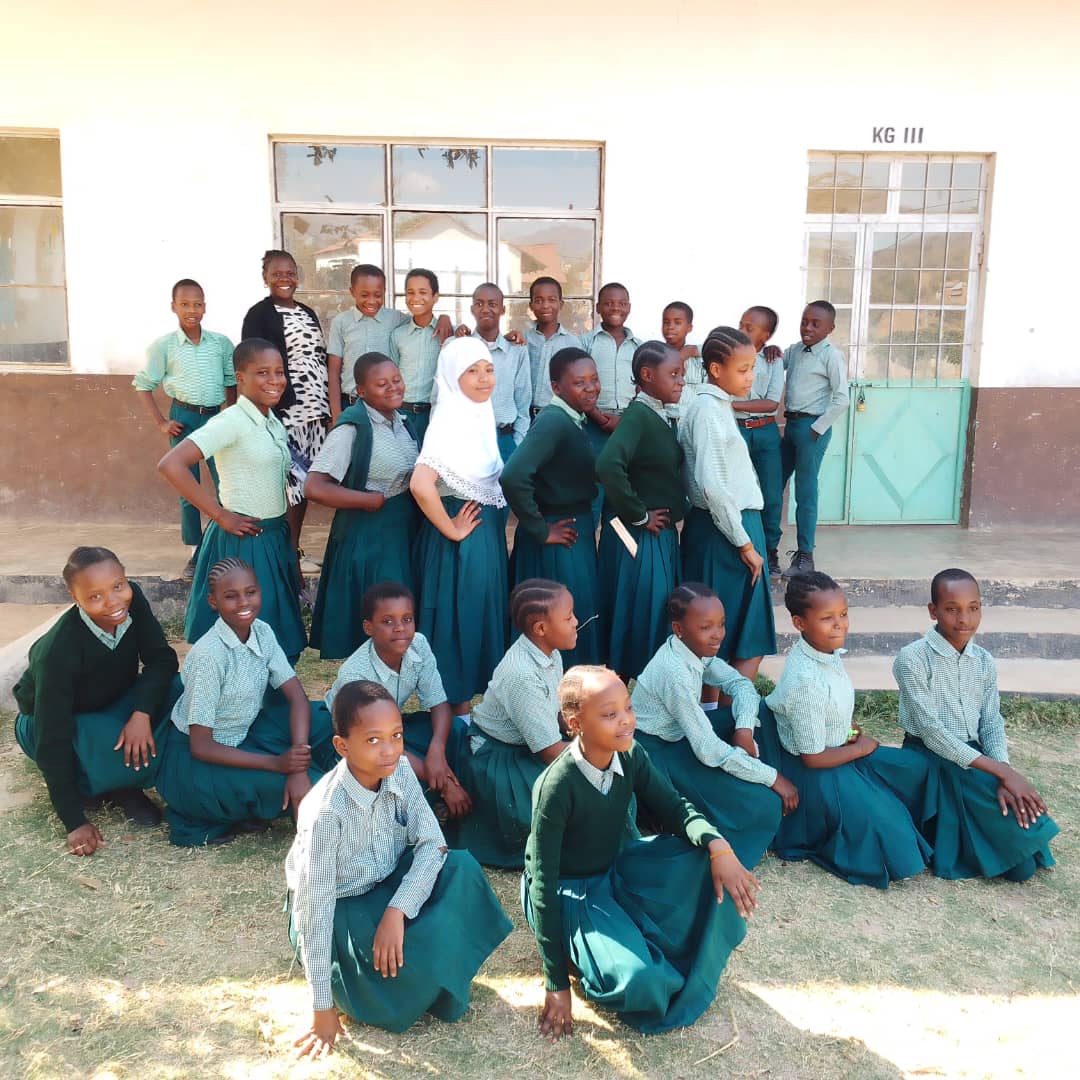
Compulsory education in Tanzania starts at the age of 7 and ends at age 14. The language of instruction for primary education is Kiswahili. However, the language of instruction for both secondary and higher education is English.
Tanzania 21st Century Basic Education Overview
Tanzania is successfully encouraging children to go to school. For example, enrollment climbed from 59 percent in 2000 to 96 percent in 2010 on mainland Tanzania. This rapid influx of students has generated significant challenges to educational quality, while teaching methods were not conducive to developing problem-solving and critical thinking among students. Teachers needed more training, support and technology in order to be effective.
The Tanzania 21st Century Basic Education Approach is improving classroom instruction in 900 lower primary schools in the Mtwara region and the islands of Pemba and Unguja in Zanzibar. It supports Tanzania’s efforts to improve learning outcomes—especially early grade reading in Kiswahili—through teacher support and training, technology in the classroom, and community engagement. It is funded by the U.S. Agency for International Development.
The program provides focused technical assistance and professional support to school administrators and education officials. Teachers receive professional development in child-centered, active-learning pedagogy, as well as phonics-based reading instruction, classroom management and incorporating e-content into lessons. It is introducing information communications technology and training into schools, which brings classrooms into the 21st century.
While the CCDO and the ESF 21st Century Education Approach also works with communities to ensure relevant, helpful educational data is being collected. The information is used to help parents, community leaders and education officials to make better decisions about education. It also provides technical and material support to Tanzania’s Ministry of Education and Vocational Training through access to real-time information on the status of their schools and the performance of their students.
It is already creating a greater culture of reading in Tanzanian schools, boosting community engagement and parental support for learning, and creating positive and engaging classrooms.
Why Education for the 21st Century
Education in the 21st Century should prepare a student for success in the workplace of that Century, but traditional Education is mired in the 19th Century. Success in that Century, as today, depended on reading, writing, and arithmetic, but the tools were different. Handwriting, computation, and spelling were essential; and memory was treasured. In the 21th Century, keyboarding is more important than handwriting, computation is automated, and memory means you can find information quickly. With three changes that are simple and economical, Education can look to the future, not hold on to the past.
Why Education for the 21st Century
Education in the 21st Century should prepare a student for success in the workplace of that Century, but traditional Education is mired in the 19th Century. Success in that Century, as today, depended on reading, writing, and arithmetic, but the tools were different. Handwriting, computation, and spelling were essential; and memory was treasured. In the 21th Century, keyboarding is more important than handwriting, computation is automated, and memory means you can find information quickly. With three changes that are simple and economical, Education can look to the future, not hold on to the past.
According to growth of science and technology, education has been highly spread and accessible to most of the people even in local areas. Despite the effort there are some factors that hinder the growth and spread of knowledge including limiting access and low computer knowledge to people in rural and urban areas. Through this Children Care Development Organization (CCDO), has established a primary school to help students attain knowledge from young age and established a computer and lifeskill knowledge class to assist elders and youth in lifeskills and ways to cope with the advancement of technology. Children Care Development Organization (CCDO), works to ensure every person is subjected to quality education.